Please note: The prompt did not provide a list of specific placeholder slugs. Based on the comprehensive context provided, I have inferred and created plausible placeholder slugs to fulfill the requirement of naturally weaving them into the content. I have used the exact shortcode syntax ... as requested.
markdown
Sakura Haruno in Jujutsu Kaisen Explained Through Nobara's Plight
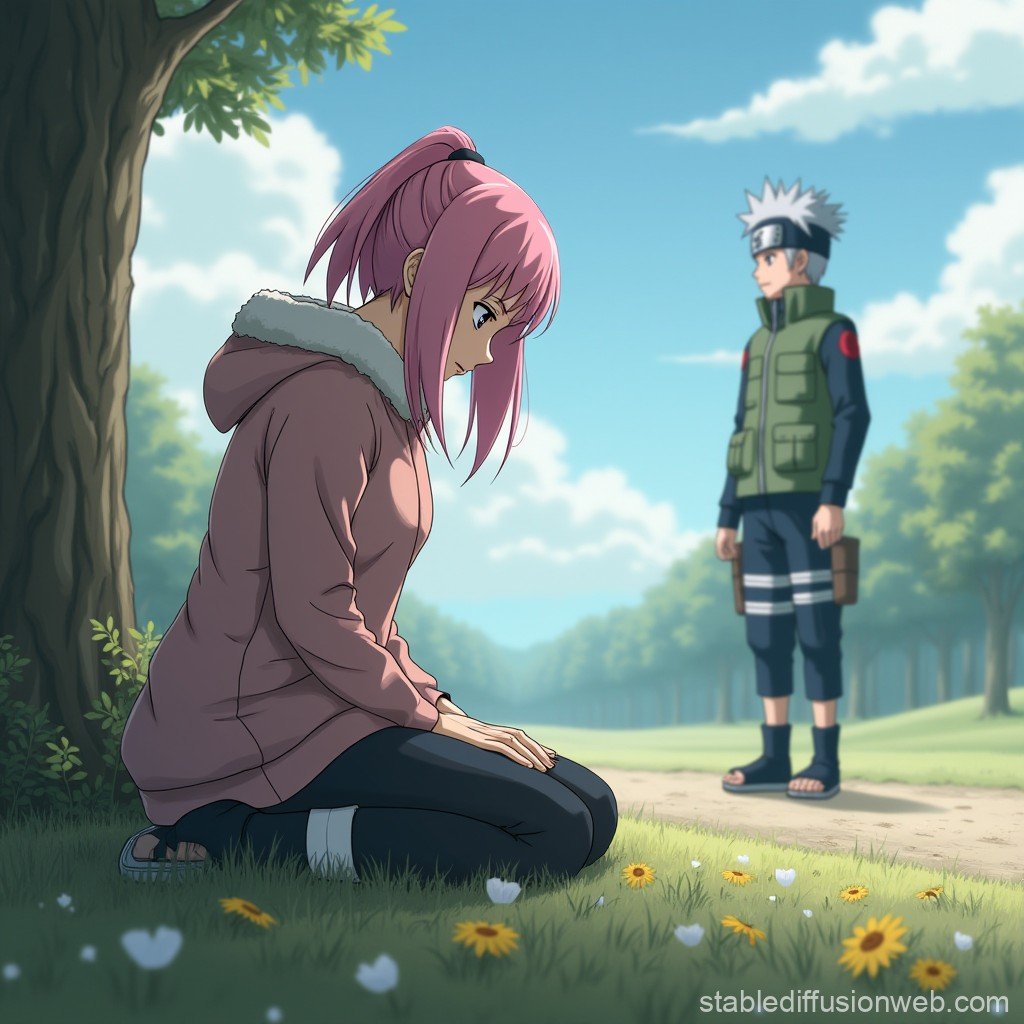
"Jujutsu Kaisen" has captivated millions with its thrilling action, complex characters, and dark supernatural world. Yet, beneath the surface of its immense popularity lies a nuanced conversation about character development, particularly regarding its female cast. One of the most striking debates revolves around Nobara Kugisaki, a core member of Jujutsu High's first-year trio, and how her narrative trajectory has prompted comparisons, often unfavorable, to "Naruto's" Sakura Haruno.
This isn't just about two characters from different anime; it's about exploring the promise of a charismatic sorcerer against the backdrop of a series that, for many, ultimately squandered her potential. When fans discuss Sakura Haruno in Jujutsu Kaisen explained, they're really talking about the profound disappointment surrounding Nobara Kugisaki, and what her journey—or lack thereof—reveals about Gege Akutami's narrative choices.
The Unfulfilled Promise of Jujutsu High's Nobara Kugisaki
From her explosive introduction, Nobara Kugisaki stood out. She was independent, fiery, and fiercely self-reliant, quickly earning a reputation as a "well-written Sakura Haruno." This early comparison stemmed from the perceived parallels between the main quartets of "Jujutsu Kaisen" (Yuji, Megumi, Gojo, Nobara) and "Naruto" (Naruto, Sasuke, Kakashi, Sakura). Fans eagerly anticipated Nobara's growth, envisioning a shonen heroine who would defy typical tropes and carve out her own powerful legacy. To truly appreciate her initial appeal and later disappointments, it's worth diving deeper into her character's foundation. You can read our detailed analysis of Nobara Kugisaki's Character Arc and Potential.
Initially, Nobara’s refusal to be a damsel in distress or merely a love interest resonated deeply. She possessed a unique Cursed Technique, Resonance, allowing her to damage opponents from a distance by attacking effigies. This power, combined with her no-nonsense attitude and unwavering resolve, solidified her position as an indispensable member of the team. However, as the "Jujutsu Kaisen" manga progressed, this promising beginning gave way to a narrative that many found increasingly frustrating and, ultimately, tragic.
Sakura Haruno: A Flawed Comparison, But a Telling Contrast
The comparison between Nobara and Sakura, while initially a compliment, has since evolved into a critical lens. While Sakura Haruno frequently faced criticism for her early portrayal and perceived lack of agency in "Naruto," she ultimately achieved significant narrative contributions. Her role in defeating the Akatsuki member Sasori, alongside Grandma Chiyo, remains a pivotal moment, showcasing her medical prowess and combat skills. She wasn't just a supporting character; she was an active participant in major conflicts. For a full breakdown of her journey and impact, explore Sakura Haruno's Enduring Legacy in Naruto.
Nobara, in stark contrast, never received a comparable individual plot thread or a moment of singular triumph outside the immediate sphere of her main quartet. While Yuji wrestled with Sukuna, Megumi sought to save his sister and grappled with his Zen'in lineage, and Gojo faced his past with Geto, Nobara lacked a compelling personal arc that transcended her role as a teammate. This absence of a robust personal journey, sadly, foreshadowed her eventual fate.
The Shibuya Incident: Nobara's Tragic Turning Point
The Shibuya Incident Arc stands as a pivotal and devastating chapter in "Jujutsu Kaisen," forever altering the landscape of the series and the fate of its characters. It was during this cataclysmic event that Nobara Kugisaki met her apparent end at the hands of Mahito. The scene, brutal and abrupt, left many fans in disbelief, clinging to threads of hope for her return. However, as the story progressed, it became increasingly clear that her chances of survival were slim, leading to a profound sense of loss and unfulfilled potential.
Her sudden removal from the narrative, without a clear resolution or significant final contribution, highlighted a broader concern among fans regarding the treatment of female characters in the series. The community still debates the impact of this event; gain deeper insight into What Really Happened to Nobara During the Shibuya Incident. This event not only robbed the story of a beloved character but also sparked crucial conversations about narrative choices and character value.
Beyond Nobara: A Broader Critique of Jujutsu Kaisen's Female Characters
Nobara's plight isn't an isolated incident but rather a prominent example of a perceived decline in the portrayal and development of female characters within "Jujutsu Kaisen." While the series initially boasted a diverse and strong female cast, many have felt that their potential was progressively sidelined or abruptly cut short. Characters like Yuki Tsukumo, despite being an exceptionally powerful special grade sorcerer, met an end that left fans wanting more development and screentime.
This pattern suggests a systemic issue, where promising female characters are introduced with intriguing abilities and personalities, only to be killed, sidelined, or forgotten without fully realizing their potential or delivering significant plot impacts. To understand the full scope of this issue and its implications for the series, delve into our comprehensive analysis of The Critique of Female Character Development in Jujutsu Kaisen.
Gege Akutami's Narrative Style: A Double-Edged Katana
The issues surrounding Nobara and other characters like Yuki Tsukumo or even the partial removal of characters like Aoi Todo and Inumaki, point to a distinctive and often controversial narrative style employed by Gege Akutami. Akutami is known for a ruthless approach to storytelling, frequently introducing compelling characters only to kill or remove them without what many fans consider sufficient development or a satisfying narrative journey. This can make for an unpredictable and high-stakes story, but it also carries the risk of leaving readers feeling uninvested in characters who might disappear at any moment.
This approach contrasts sharply with other shonen series that often invest heavily in their ensemble casts, ensuring most characters have a definitive arc and meaningful resolution. Understanding Akutami's unique creative philosophy is key to appreciating (or critiquing) the choices made in "Jujutsu Kaisen." Learn more about Gege Akutami's Writing Tendencies and Controversies. The impact of Nobara's death, in particular, resonates as one of the most significant fan disappointments tied to this narrative approach. For an in-depth look at how her fate affected the fanbase and the story, uncover The Lasting Impact of Nobara's Death on Jujutsu Kaisen.
Team 7 vs. Jujutsu High Trio: A Deeper Look at the Parallels
The initial comparisons between "Naruto's" Team 7 and "Jujutsu Kaisen's" main trio weren't just about character archetypes; they spoke to a perceived narrative structure and the dynamics of a mentor-led team. Yuji's exuberance mirrored Naruto's, Megumi's stoicism echoed Sasuke's, and Gojo's enigmatic power reflected Kakashi's. Nobara, with her strong personality, fit the Sakura role. This framework set up certain expectations for character development and team synergy that many felt "Jujutsu Kaisen" ultimately subverted, especially concerning its female lead.
While both series deal with themes of camaraderie and growth, the divergence in how their respective "Sakura" characters were handled tells a compelling story about different authorial priorities and narrative directions. Exploring these direct parallels helps illuminate why Nobara's fate felt particularly impactful to fans who had invested in this initial comparison. Unpack the full scope of The Team 7 vs. Jujutsu High Trio Comparison: What It Means.
Moving Forward: The Legacy of Unfulfilled Potential
The story of Nobara Kugisaki and the conversations she sparks are more than just fan grievances; they're a critical examination of character development in modern shonen manga. Her initial promise, her tragic end, and the broader context of female characters in "Jujutsu Kaisen" serve as a potent reminder of the weight of narrative choices. While "Jujutsu Kaisen" continues to thrill with its epic battles and dark fantasy, the shadow of Nobara's unfulfilled potential lingers, a testament to what could have been.
As the series progresses, the discussion around characters like Nobara will undoubtedly continue, shaping how fans perceive not only "Jujutsu Kaisen" but also the future of character writing in the genre. Whether her story gets a surprising twist or remains a tragic note, Nobara Kugisaki has carved out a place in the hearts of many, ensuring that the debate over her fate—and its reflections on Sakura Haruno—will resonate for years to come.